Tuesday, December 12, 2023

Investing in the Failure of Others

Investing in others' failures sounds odd, but it is a characteristic of bullying behavior. History is full of people who wanted others to fail for personal gain. Practices such as these indicate that the organization's emotional well-being is in trouble. A sick organization is created when the hierarchy of needs is unmet, such as when the workplace is unstable or unsafe, social needs are ignored, and a lack of respect is the norm, and when self-efficacy, fulfillment, and autonomy are missing.
-Dr. Debra Stewart
pictureyourselfstronger@yahoo.com
Tuesday, December 5, 2023
Monday, December 4, 2023
Theory of Mind and Bullying
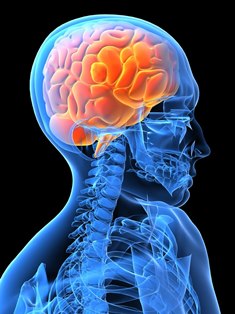
There are various
theories regarding the cause of bullying, such as socioeconomic barriers and
restrictions to reward and recognition, or different trait theories that suggest
that bullying behaviors are genetic, and the environment may promote bullying-type behaviors.
Some theories also suggest that antisocial behavior, conduct disorders, or
possibly sociopathy are the root causes of bullying. A relatively new suggestion is that failure to develop a theory of mind may lead to bullying. Having a theory of mind is the ability to understand that other
people may have different emotions, beliefs, and points of view other than one's own, and that a lack of theory of mind may lead to reduced empathy or compassion for
others. There has been some research that connects the lack of theory of mind
to children with autism or Asperger's syndrome and children and adults who exhibit bullying behaviors. The findings of most meta-analyses on bullying are that these events are not homogeneous in terms of methods or types of bullying, and that interventions will require assessment and treatment specific to the cause of the bullying. - Dr. Stewart
Tuesday, November 28, 2023
Monday, November 27, 2023
Cyberbullying and Unmet Needs

As long as there are unmet needs, there will be bullies, victims, and bystanders. Organizational psychology examines the systems that foster the rise of bully triads in schools, communities, and the workplace. Organizational psychologists provide change through improved policies and procedures, communication and education, and development. Cyberbullying is a different system to change because the delivery and scope of the interface are unbridled and without checks and balances. The bully feeds off of the rewards that temporarily meet the bully's perceived unmet needs, and victims and bystanders receive the effects of bullying, which mimic the negative control of instrumental conditioning, creating feelings of loss concerning safety, love, and belonging. The educational opportunity is to identify the triad's unmet needs and then provide support to change negative attitudes and beliefs into beliefs about empowerment, self-actualization, and self-efficacy.
-Dr. Stewart pictureyourselfstronger@yahoo.com
Subscribe to:
Posts (Atom)